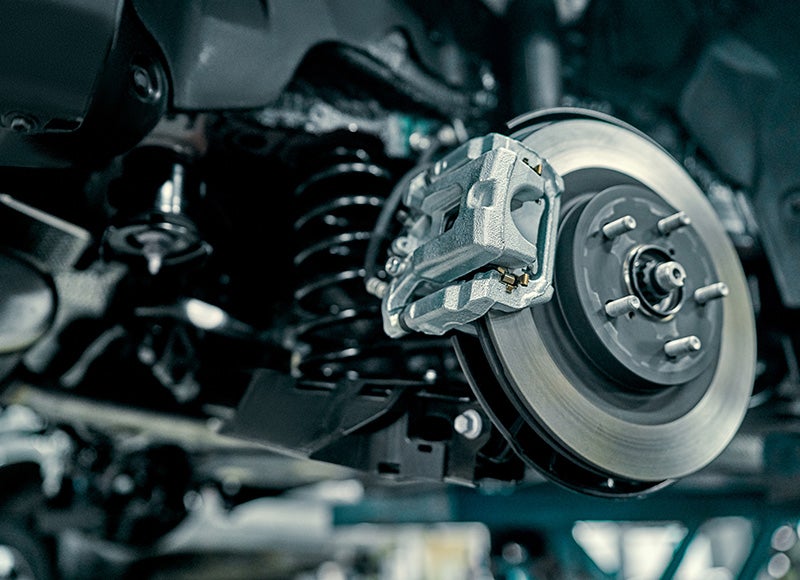


Your Top Brakes Questions Answered: A GMC Driver's FAQ Reliable stopping power keeps you safe on every drive. At Cooper GMC in Anniston, AL, our service team wants you to understand how your braking system operates so you can spot potential issues early. Reach out to our technicians anytime for more information or expert vehicle care. What Are the Main Components of a Brake System? Several parts work together to bring your GMC to a safe stop. Knowing these components helps you catch problems early and communicate clearly with your service technician. The primary parts include the brake pads, rotors, calipers, brake lines, master cylinder, and wheel cylinders. If one part fails, it compromises the entire system. What Do Brake Pads Do? Brake pads apply friction against the rotor to slow your vehicle. They naturally wear down over time. Most pads feature a built-in wear indicator that produces a squealing sound when you need a replacement. Replacing thin brake pads is a routine, straightforward maintenance service. What Is the Rotor's Role in Braking? The rotor, or brake disc, is the metal disc attached to the wheel hub. Pressing the brake pedal forces the pads to clamp down on the rotor, generating the friction required to slow your wheels. Heat and repeated use can warp or groove rotors over time. A warped rotor often causes a pulsing sensation in the pedal, indicating it needs resurfacing or replacement. What Does the Caliper Do? The caliper houses the brake pads and uses hydraulic pressure to squeeze them against the rotor. Sticking or seized calipers cause uneven braking and make your vehicle pull to one side during a stop. If your truck or SUV drifts while braking, a faulty caliper is often the culprit. What Are Brake Lines and the Master Cylinder? The master cylinder drives the hydraulic braking system. Pressing the pedal pushes brake fluid from the master cylinder through the brake lines to activate the calipers and wheel cylinders. Because low or contaminated fluid weakens stopping power, regular fluid checks remain a vital part of routine maintenance. What Are the Signs of Failing Brakes? Common warning signs include squealing or grinding noises, a spongy brake pedal, steering wheel vibration, longer stopping distances, and a sharp burning smell after heavy braking. Never ignore an illuminated brake warning light on your dashboard. Drivers in Anniston, AL should schedule an inspection at the first sign of trouble. Visit Cooper GMC for Brake Service From routine maintenance questions to urgent repairs, the certified technicians at Cooper GMC in Anniston, AL are ready to assist. Maintaining your braking system protects you and your passengers on every trip. Contact our service department or schedule your appointment online today.