


Blog / Service

Brake Components FAQ for GMC Drivers

Brake Components FAQ for GMC Drivers

Your Top Brakes Questions Answered: A GMC Driver's FAQ 

Reliable stopping power keeps you safe on every drive. At Cooper GMC in Anniston, AL, our service team wants you to understand how your braking system operates so you can spot potential issues early. Reach out to our technicians anytime for more information or expert vehicle care. 


What Are the Main Components of a Brake System? 

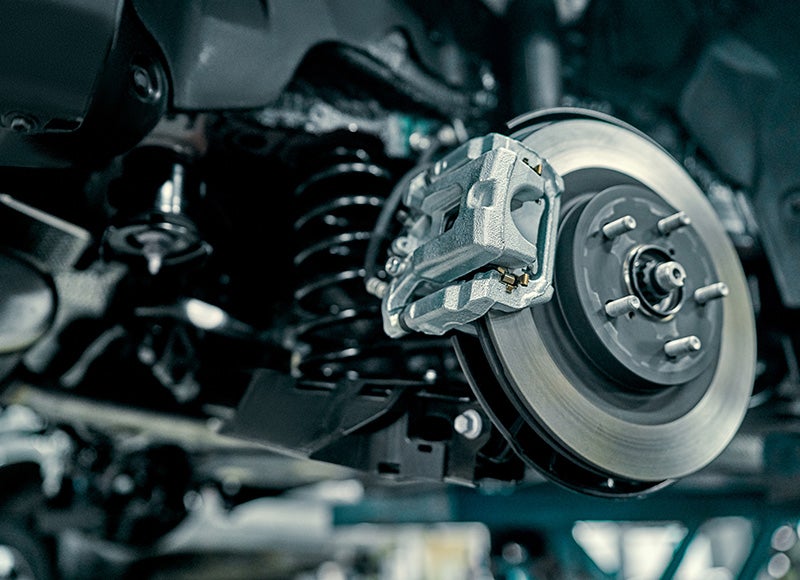
Several parts work together to bring your GMC to a safe stop. Knowing these components helps you catch problems early and communicate clearly with your service technician. The primary parts include the brake pads, rotors, calipers, brake lines, master cylinder, and wheel cylinders. If one part fails, it compromises the entire system. 


What Do Brake Pads Do? 

Brake pads apply friction against the rotor to slow your vehicle. They naturally wear down over time. Most pads feature a built-in wear indicator that produces a squealing sound when you need a replacement. Replacing thin brake pads is a routine, straightforward maintenance service. 


What Is the Rotor's Role in Braking? 

The rotor, or brake disc, is the metal disc attached to the wheel hub. Pressing the brake pedal forces the pads to clamp down on the rotor, generating the friction required to slow your wheels. Heat and repeated use can warp or groove rotors over time. A warped rotor often causes a pulsing sensation in the pedal, indicating it needs resurfacing or replacement. 


What Does the Caliper Do? 

The caliper houses the brake pads and uses hydraulic pressure to squeeze them against the rotor. Sticking or seized calipers cause uneven braking and make your vehicle pull to one side during a stop. If your truck or SUV drifts while braking, a faulty caliper is often the culprit. 


What Are Brake Lines and the Master Cylinder? 

The master cylinder drives the hydraulic braking system. Pressing the pedal pushes brake fluid from the master cylinder through the brake lines to activate the calipers and wheel cylinders. Because low or contaminated fluid weakens stopping power, regular fluid checks remain a vital part of routine maintenance. 


What Are the Signs of Failing Brakes? 

Common warning signs include squealing or grinding noises, a spongy brake pedal, steering wheel vibration, longer stopping distances, and a sharp burning smell after heavy braking. Never ignore an illuminated brake warning light on your dashboard. Drivers in Anniston, AL should schedule an inspection at the first sign of trouble. 


Visit Cooper GMC for Brake Service 

From routine maintenance questions to urgent repairs, the certified technicians at Cooper GMC in Anniston, AL are ready to assist. Maintaining your braking system protects you and your passengers on every trip. Contact our service department or schedule your appointment online today. 

Posted in:

Related Posts

Oil Change Guide for GMC Drivers

Oil Change Guide for GMC Drivers

Why Oil Changes Are Essential for Your GMC Vehicle Routine oil changes protect your GMC truck or SUV and prevent costly engine damage. Fresh engine oil ensures peak performance across every model, from the Sierra and Canyon to the Yukon. This guide covers essential maintenance facts to keep you confident on the road. For personalized care or more information about your vehicle, reach out to the service team at Cooper GMC in Anniston, AL. What Does Oil Actually Do in Your Engine? Engine oil lubricates moving metal parts to reduce friction and prevent premature wear. It also regulates engine temperature, carries away contaminants, and stops internal buildup. Without clean, circulating oil, an engine overheats and seizes quickly. Why Are Oil Changes Necessary? Heat, debris, and normal operation break down engine oil over time. Aging oil thickens, loses viscosity, and leaves harmful engine deposits. Regular oil changes replace dirty fluid with fresh oil to extend the life of your GMC and prevent major mechanical repairs. How Often Should You Change Your Oil? Your ideal service interval depends on your model, driving habits, and oil type. Many modern GMC vehicles equipped with a 5.3L V8 or other current engines require an oil change every 7,500 miles when using full synthetic oil. Older models or vehicles driven in severe conditions may need service every 3,000 to 5,000 miles. Check your owner's manual or onboard oil life monitoring system for exact intervals, especially if you frequently tow or haul heavy loads around Anniston, AL. What Should You Do If Your Oil Light Comes On? An illuminated oil warning light signals low oil pressure from a low fluid level or a failing oil pump. Pull over safely, turn off the engine, check the dipstick, and add oil if necessary. Have a trained technician inspect your vehicle immediately, as driving with low oil pressure causes permanent engine damage. What Types of Oil Are Available? Choosing the proper motor oil maximizes your GMC's longevity. Conventional oil suits older engines and light-duty driving. Full synthetic oil delivers superior protection, handles extreme temperatures, and supports longer change intervals for newer GMC models. Synthetic blend oil combines both types for reliable protection. Always check your owner's manual to confirm the exact oil viscosity for your model. Schedule Your Oil Change at Cooper GMC Routine maintenance is simple when you partner with certified technicians who know your vehicle inside and out. Drivers across Anniston, AL rely on Cooper GMC for fast, accurate oil changes. B ook your next service appointment with Cooper GMC in Anniston, AL and keep your GMC running strong for miles to come.